Rajdoot 350: Rajdoot 350 is one of India’s most iconic performance motorcycles, famous for its aggressive 2‑stroke power delivery, distinctive exhaust note and demanding rider‑focused character.
Even decades after production stopped, it enjoys cult status, and talk of modern 350‑cc revival projects keeps the legend alive among enthusiasts.
Origins of a Two‑Stroke Legend
The Rajdoot 350 was essentially the Indian version of the Yamaha RD350B, built under licence by Escorts to suit local conditions and regulations.
At a time when Indian roads were ruled by mild 100–150 cc commuters, this bike arrived with advanced two‑stroke technology and performance far ahead of its era.
Because of its explosive acceleration, high top speed and relatively poor fuel efficiency, it quickly gained nicknames like “Killer Machine” and became a dream bike for serious riders rather than the average commuter. Limited sales in period only added to its mystique, turning it into a collector’s item in later years.
Engine, Performance and Riding Experience
The classic Rajdoot 350 used a 347 cc, air‑cooled, two‑stroke parallel‑twin engine with Yamaha’s Torque Induction System and reed‑valve technology.
High Torque (HT) versions were detuned from the international RD’s 39 bhp to about 30.5 PS at 6750 rpm, still wild by Indian standards, while Low Torque (LT) versions made around 26.5 PS for slightly better fuel economy and emissions.
Real‑world performance numbers were shocking for the era: 0–60 km/h in under 4 seconds and a top speed close to 150 km/h, depending on tune and road conditions.
The power band was peaky, the front end felt light under hard acceleration, and the bike rewarded skilled riders while punishing the careless.
Design, Chassis and Practicality
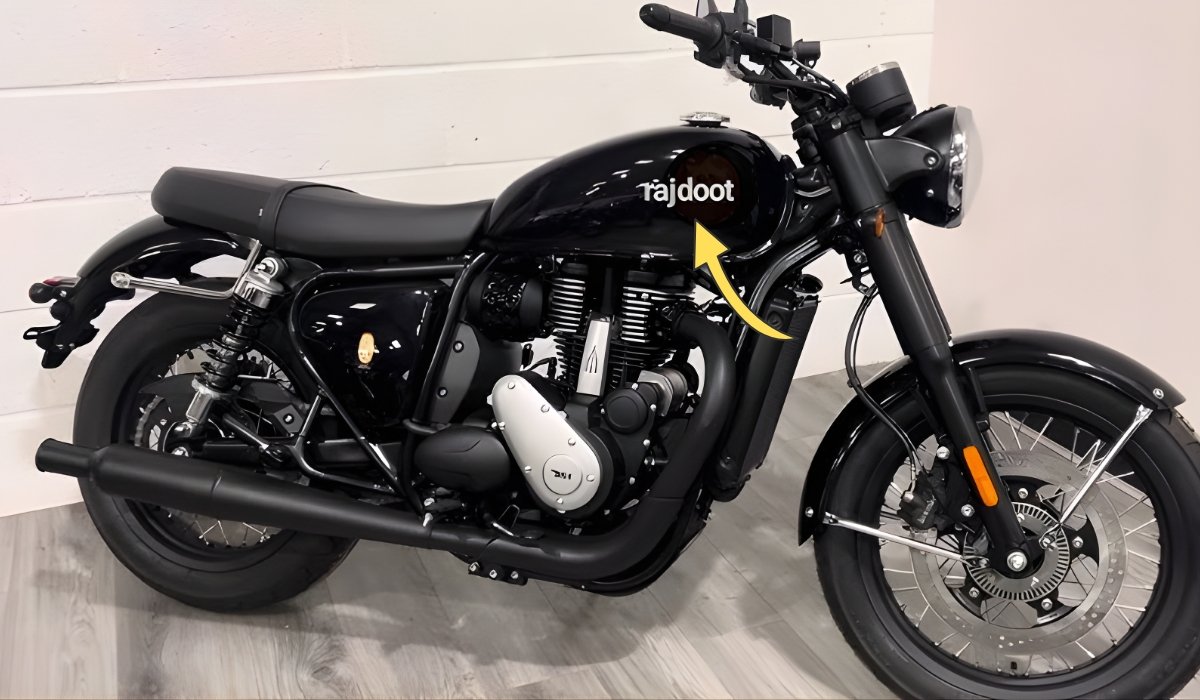
Visually, Rajdoot 350 carried classic 1970s–80s styling with a round headlamp, simple yet muscular fuel tank, flat seat and twin chrome exhausts that produced the trademark RD growl.
Built on a steel frame with telescopic front forks and twin rear shocks, it weighed around 143–155 kg and offered agile, confidence‑inspiring handling for those who understood its limits.
A 16‑litre fuel tank provided decent touring range, but mileage often hovered around 20–25 km/l for HT versions and roughly up to 35 km/l for LT bikes in ideal conditions.
In a fuel‑conscious market, this high thirst, combined with two‑stroke maintenance and stricter norms, contributed to its commercial struggle despite its engineering brilliance.
Modern Rajdoot 350 Revival Concepts
In recent years, several reports have discussed a modern Rajdoot 350 revival, either as a retro‑styled twin or a single‑cylinder “Dhakad engine” motorcycle positioned against Royal Enfield Classic 350 and other modern classics.
One prominent concept uses a 350 cc air‑cooled single producing around 28 hp and 32 Nm of torque, tuned for strong mid‑range and everyday Indian riding conditions rather than manic top‑end rush.
Mileage estimates for these revival projects are far more sensible, often quoted in the 30–40 km/l band, with some optimistic claims going even higher.
Styling typically blends nostalgia—round headlamp, teardrop tank, chrome touches—with modern kit like front disc brakes, better tyres and updated electrics to appeal to today’s riders.
Also read this: 2026 Toyota Fortuner launched with luxurious features – engine is 2.8L
Rajdoot 350 Enthusiast Appeal and Conclusion
For many enthusiasts, Rajdoot 350 symbolises raw, analogue motorcycling—loud, fast, slightly intimidating and mechanically simple enough to be tuned and tinkered with.
Surviving examples are now restored and traded at premium prices, celebrated in videos, articles and owner communities as a key chapter in India’s performance‑bike history.
In conclusion, Rajdoot 350 remains a cult motorcycle that bridged Japanese engineering and Indian roads, first as a licensed Yamaha RD‑based twin and now as inspiration for modern 350‑cc revival concepts.
Whether remembered in its original two‑stroke avatar or anticipated as a new‑age retro machine, the Rajdoot 350 name continues to stand for performance, nostalgia and a pure, old‑school riding thrill that everyday commuters simply never offered.